Table of Contents
Introduction: Hidden daily mistakes that weaken heart health.
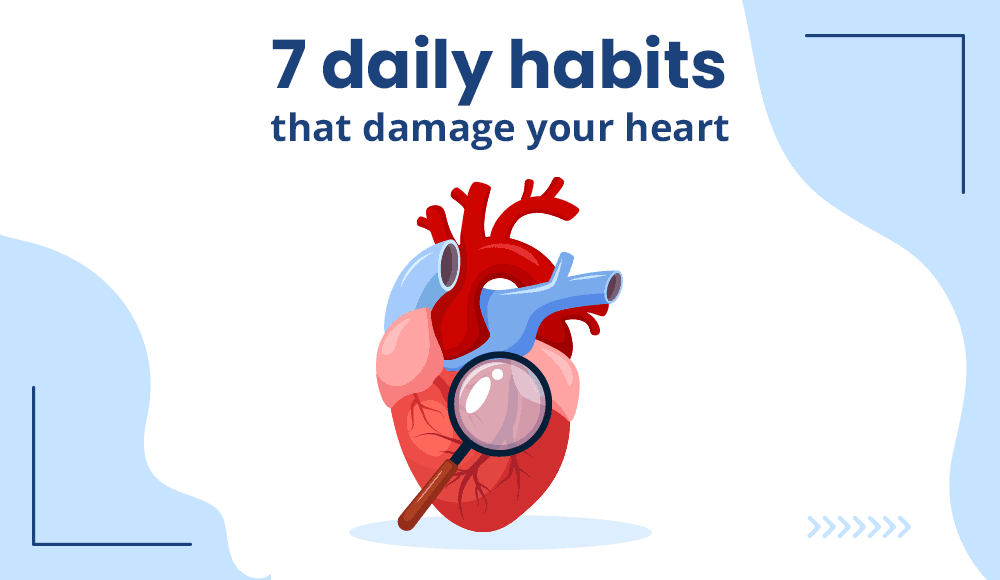
Your heart functions endlessly and around the clock, but many of us unknowingly partake in activities that slowly weaken and harm it. The reality is that our day-to-day choices can affect our heart more than we think. Although serious heart issues seem to be more often associated with more serious medical conditions, the everyday behaviors we engage in can indirectly promote poor heart health, blood pressure, or cholesterol levels. The cumulative damage to heart health is gradual so that most people don’t recognize any major warning signs until it’s too late. However, first comes being aware of which commonplace behaviors are bad for your heart so you can protect it. Small, manageable changes will pave the way to better heart health for many years!
Sitting Too Long
Long periods of sitting, whether on your phone, at work, or in front of the TV, can silently damage your heart. Long periods of sitting slow down blood flow, which makes it more difficult for your heart to beat effectively and raises your risk of high blood pressure and cholesterol accumulation. Additionally, it weakens the muscles that support your cardiovascular system and causes weight gain. Sitting for long periods of time can negate some of the advantages of physical activity, even if you exercise frequently. Little adjustments like stretching throughout the day, taking quick walks, or getting up every hour can greatly increase circulation and lessen heart strain. Including regular exercise in your day helps to strengthen and maintain the health of your heart.
Overeating Junk and Fried Foods
Frequent overindulgence in fried and junk food can be detrimental to your heart. Many of these foods contain high levels of unhealthy fats, sugar, and salt, which over time raise blood pressure, cholesterol, and other substances that cause plaque to build up. Because of the cumulative strain on the cardiovascular system, you put yourself at risk for heart disease, strokes, and other complications. Since infrequent consumption of these foods does not result in silent heart attack injuries, an occasional indulgence is acceptable. These foods shouldn’t, however, be a regular component of your diet. By reducing cardiovascular inflammatory markers and preserving clear arteries, well-balanced meals that include fruits, grains, vegetables, and lean proteins promote cardiovascular health.
Ignoring Sleep Schedule
Over time, ignoring a regular sleep schedule can subtly damage your heart. Your cardiovascular system is strained by irregular or insufficient sleep, which also raises stress hormone levels, affects blood pressure, and can cause inflammation. Your body finds it difficult to control blood sugar and heart rate when you don’t get enough restorative sleep, which increases your risk of developing heart disease. Energy, mood, and the capacity to sustain healthy lifestyle practices like regular exercise and a balanced diet are all impacted by inadequate sleep. Your heart can get the rest it requires by establishing a regular sleep schedule, aiming for 7 to 9 hours each night, and avoiding late-night screen time. A straightforward yet effective strategy to safeguard long-term heart health is to prioritize regular, high-quality sleep.
Skipping Regular Exercise
Ignoring exercise could seriously affect your heart health. Exercise helps to maintain healthy blood pressure and cholesterol levels; the cardiovascular system more efficiently strengthens itself against disease; and blood continues to circulate. If you regularly miss exercise, it becomes harder for your heart to effectively pump blood. In fact, missing exercise regularly is a risk factor for diseases of the heart, obesity, and associated diseases. Frequent exercise also reduces stress, increases energy levels, and aids in weight control, all of which contribute to a healthy heart. Sometimes doing easy exercises like stretching, walking, or aerobic exercise can help have an effect (when done regularly). Getting into a routine of exercise on a daily basis helps to provide you with a more active and heart-healthy lifestyle by strengthening your heart, increasing circulation, and eventually leading to overall cardiovascular health.
Excess Stress and Anger
Chronic expressions of anger and sustained stress can insidiously harm your heart over time. Under chronic stress, your body produces the stress hormones cortisol and adrenaline, which can raise blood pressure, increase heart rate, and increase inflammation of blood vessels. Frequent aggression increases the harmful effects of stress and puts additional stress on your cardiovascular system, making you more susceptible to heart attacks and strokes. Stress also indirectly harms your heart by affecting your diet, sleep, and general lifestyle habits.
Mindfulness, meditation, deep breathing, or consistent exercise can be effective in slowing this process and improving your overall health. Improving emotional balance and tranquility is good for your heart, arteries, and overall cardiovascular health, just like they are for your mind.
Smoking or Vaping
Smoking and vaping are both serious habits that can harm your heart over time. Chemicals in cigarettes and e-cigarettes can damage the blood vessels, which raises blood pressure and decreases the delivery of oxygen, all making the heart work harder. Nicotine increases the risk of heart attack, stroke, and other cardiovascular diseases by causing plaque to build up in the arteries. Even infrequent use of these products can lead to lasting effects on your heart health. Quitting smoking and vaping lightens the load on your cardiovascular system, improves circulation, and reduces associated inflammation. Quitting is the first step you can take to prevent harmful chemical exposures that contribute to cardiovascular disease. Your heart is more likely to function properly and remain healthy for many years to come if you stop vaping and smoking.
Ignoring Regular Checkups
Neglecting regular checkups could silently threaten your heart health. Regular checkups are helpful for noticing cardiovascular issues, high blood pressure, high cholesterol, and other warning signs of trouble before they become worse. It increases your risk for heart disease, stroke, and other issues to not have these exams, since an issue could remain unnoticed. Regular exams, blood tests, and screenings provide valuable information about your heart health and can help guide preventative measures. If issues are noticed early, it allows for the start of treatments, adaptation in lifestyle, and safeguarding your cardiovascular system. By undergoing annual or biannual exams regularly, you feel better knowing your heart is being monitored and is strong and healthy, which goes a long way toward maintaining your well-being long-term.
Conclusion: Protect your heart by changing small daily habits.
Your heart works hard for you each and every day, and even small, regular behaviors can help care for your heart health. Making minor modifications can reduce your risk of heart disease, such as eating a nutrient-rich diet, moving your body regularly, managing your stress, prioritizing sleep, and avoiding harmful substances.
Through your awareness of the choices you make each day, you have the opportunity to support your cardiovascular system, improve your overall well-being, and potentially prolong your life. By taking these small yet impactful steps, you can devote attention to your heart and create the foundation for a stronger and healthier life. It only takes small, thoughtful actions over time to protect your heart.