Table of Contents
Introduction: Wrong brushing can harm your oral health.
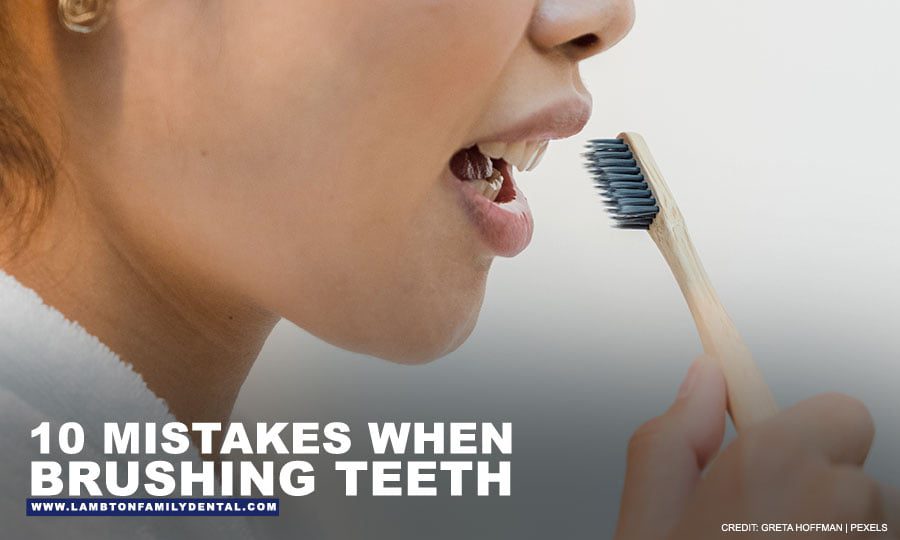
Your oral health can be harmed by improper brushing. Plaque removal, cavity prevention, and gum health all depend on brushing teeth, but improper brushing technique can do more harm than good. Gum recession, tooth sensitivity, and enamel wear can result from brushing too frequently, with too much force, or with the incorrect technique. Although many people think that brushing harder results in better cleaning, gentler, more appropriate brushing actually works better. Maintaining strong teeth and healthy gums while preventing long-term oral health issues requires knowing the proper techniques, the best toothbrush type, and the recommended frequency.
Brushing Too Hard
Many individuals damage their teeth and gums by brushing them too harshly, often thinking they must use aggressive cleaning techniques to achieve a clean feeling. Unfortunately, this rough brushing can cause harm to both your teeth and gums, which could be irreversible over time. The excessive force you use is essentially sandpapering the protective outer layer of your teeth, known as enamel, off of your teeth. Abrading the enamel exposes the dentin underneath, leading to increased sensitivity to hot, cold, and sweet items.
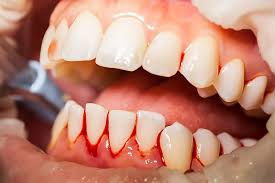
With respect to your gums, brushing too hard destroys the soft tissue of your gums. This can cause inflammation, bleeding, and most importantly, gum recession. When your gums recede, your tooth roots (which are soft) are exposed and susceptible to decay and sensitivity. Some examples of indication of damage include a splayed toothbrush in a few months, sore/bleeding gums, and visible notches near the gum line. Dental professionals suggest that in order to protect your oral health, you use a soft-bristled toothbrush and brush gently in a circular motion while holding the toothbrush as if it’s a pen—essentially exerting light/no force.
Using Old Toothbrush
You should never use an old toothbrush to clean your oral cavity since its worn bristles are not effective at removing plaque. In addition, old brushes can damage your gums and the enamel of your teeth. In a dentist visit, the American Dental Association recommends that you change your toothbrush every three to four months or sooner if the bristles are frayed. Once you are done with a toothbrush for dental purposes, it has a second life as a cleaning tool with many uses. Its small head and rigid handle are useful for detail work around the house, and it can be repurposed and reused to scrub the grout in your tile, clean around the edges of your faucet or sink drain, detail car interiors, dust computer keyboards, or spot clean a stain on clothes. Repurposing a toothbrush extends the life of the plastic and keeps it from the landfill just a little longer.
Skipping Tongue Cleaning
Skipping tongue cleaning is a common but often overlooked mistake in oral hygiene. Bacteria, food particles, and dead cells can be found on the surface of the tongue, which can lead to gum disease, tooth decay, and foul breath. Simply brushing teeth is not enough to remove these harmful deposits. Using a toothbrush or tongue scraper to clean the tongue on a regular basis helps get rid of bacteria, lessens plaque, and makes your breath smell better. Additionally, it enhances general oral health and taste perception. When tongue cleaning is neglected, bacteria can grow and cause chronic bad breath as well as eventually more severe dental problems. For a fully healthy mouth, tongue cleaning must be a part of your daily routine.
Brushing Right After Meals
It’s common practice to brush right after eating, but if you do it incorrectly, it can occasionally damage your teeth. Tooth enamel temporarily softens after eating, particularly after consuming acidic foods like citrus fruits, tomatoes, or soda. Brushing as soon as possible can erode this compromised enamel, eventually causing decay and tooth sensitivity. In order for saliva to neutralize acids and strengthen enamel, dentists advise delaying brushing for at least half an hour after meals. To maintain oral hygiene and get rid of food particles in the interim, try chewing sugar-free gum or rinsing your mouth with water. Long-term dental health is supported by brushing teeth and gums at the appropriate times, using a soft-bristled toothbrush, and using the right technique.
Ignoring Flossing
One mistake that can be very damaging to oral health is forgetting to floss. Although brushing does clean the surfaces of the teeth, it cannot clean the small spaces between the teeth where food particles and plaque often collect. Ignoring these areas may lead to inflammation of the gums, unpleasant breath, and cavities developing between the teeth. Regular flossing will remove trapped debris and minimize the likelihood of gum disease, including gingivitis and periodontitis. Flossing can also help maintain overall good oral health and reduce the risk of tartar buildup. Dentists recommend flossing at least once a day, and preferably just before you go to bed, for as thorough a cleaning as possible. Flossing is an important component of your daily oral hygiene routine to help you maintain healthy teeth and gums and avoid serious, long-term dental problems.
Using Wrong Toothpaste
Rather than safeguarding your oral well-being, the wrong toothpaste can worsen your situation. Toothpaste comes in many types, such as for gum health, whitening, cavities, and sensitivity. Selecting a toothpaste that is not right for your dental issue can lead to problems. For example, repeated use of a whitening toothpaste that contains strong abrasives can wear enamel, and a toothpaste that does not contain fluoride cannot assist with cavity prevention. There is paste for people with sensitive teeth to lessen discomfort. The correct toothpaste and brushing technique protect against plaque, strengthen enamel, and can improve gum health. Choosing the right toothpaste is important to ensure good oral hygiene and long-term dental health, and this is best done with a talk to a dentist.
Brushing for Less Than 2 Minutes
One common error that can lessen the effectiveness of oral hygiene is brushing for less than two minutes. Many people rush through brushing, believing that a quick clean is enough, but insufficient brushing causes bacteria, food particles, and plaque to remain on teeth. Over time, this may result in gum disease, cavities, and foul breath. In order to reach all tooth surfaces, including the front, back, and chewing surfaces, dentists advise brushing twice a day for at least two minutes using soft, circular motions. A timer or an electric toothbrush with a built-in timer can be used to help guarantee that you brush for the recommended amount of time. A simple yet essential habit for keeping teeth and gums healthy is brushing for the recommended amount of time.
Forgetting Gum Line
One common oral hygiene error that can result in major dental issues is forgetting to clean along the gum line. Ignoring this area can lead to gum inflammation, bleeding, and eventually gum disease like gingivitis or periodontitis because plaque and bacteria tend to build up where the teeth meet the gums. To properly remove hidden plaque, the gum line needs to be gently brushed in addition to the teeth’s visible surfaces. This crucial area can be cleaned by brushing with a soft-bristled toothbrush at a 45-degree angle towards the gums. By maintaining a healthy gum line through consistent flossing and appropriate brushing methods, long-term dental issues, bad breath, and receding gums are avoided.
Not Replacing Brush Regularly
Failing to regularly replace your toothbrush is another common misstep that can negatively impact your mouth. Toothbrushes degrade over time, which leads to ineffective bristles that struggle to dislodge bacteria, food particles, or plaque from teeth and gums. Ineffective cleaning ultimately puts your teeth and gums at risk for gum disease, cavities, or bad breath. Additionally, a toothbrush can harbor bacteria and germs that, instead of removing, you effectively introduce to your mouth when you brush your teeth. Dentists recommend replacing a toothbrush every three to four months, or sooner, if the toothbrush shows signs of wear. A new toothbrush promotes strong teeth, healthy gums, and effective plaque removal. Changing your toothbrush often may be easy to forget; however, make it a habit to replace your toothbrush regularly, and you have taken an important step, easy to do, towards lasting oral health.
Not Rinsing Properly
An everyday mistake in oral hygiene that can cause damage to both teeth and gum tissues is failing to rinse after eating or after brushing. Bacteria that feed on food debris or toothpaste residue are what develop plaque, bad breath, and irritation of gum tissues. Acid from drinks or food scraps can also wear away enamel, which puts these teeth at greater risk for decay and sensitivity. Rinsing well with water will neutralize acid, stop bacteria growth, and help eliminate bacteria after eating or brushing. Alcohol-free mouthwash may provide further protection. Rinsing routinely is an easy but effective way to maintain strong teeth, healthy gum tissues, and oral hygiene.
Conclusion: Brush smart, not hard.
To conclude, tooth brushing is just one part of the equation of having good oral hygiene, but brushing teeth wisely, not with brute force, is equally important to avoid potentially damaging teeth and gums over time. Actions that can wear down teeth and gums over time include overbrushing, using an old toothbrush, skipping flossing, neglecting the tongue or gum line, and rinsing improperly. Good cleaning includes using the right toothpaste, brushing for at least two minutes, and replacing the toothbrush regularly. Gentle yet thorough brushing in conjunction with flossing, cleaning the tongue, and proper rinsing will remove plaque, bacteria, and food debris without harming the gums or enamel. Now, using these ideas on how to brush wisely, everyone should be able to avoid cavities, gum diseases, and bad breath and achieve dental health at a very high level with a confident smile.