Table of Contents
Introduction: The hidden effects of sugar on your smile.
While sugar is inherently sweet, a few negative consequences to your mouth are among the biggest negatives of this substance.
Sugar-feeding bacteria in your mouth produce acids that erode tooth enamel each time you consume or drink something sweet.
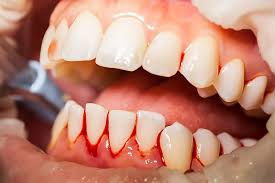
Over time, this can lead to cavities and enamel erosion, as well as increased sensitivity of your teeth. In addition, sugar can foster the build-up of tartar along your gumline, which, if not treated appropriately, can lead to bleeding gums, inflammation, and eventually periodontal disease.
In addition to clearly being harmful, sugar can also change the composition of bacteria in your mouth, which can lead to bad breath or infections.
The first step to protecting your smile and ensuring your long-term oral health is to recognize how subtle sugar can damage your teeth and gums.
How Sugar Feeds Bacteria
The main food source for the oral bacteria that are naturally present in your mouth is sugar. These bacteria use a process known as fermentation to break down sugar in sugary snacks and beverages, resulting in the production of acids as a byproduct.
Your teeth’s enamel, which is their hard outer layer, is attacked by these acids, which weaken it and leave small holes that can eventually turn into cavities
Sugar facilitates the formation of plaque, a sticky layer of bacteria that adheres to teeth and gums for extended periods of time.
Continuous sugar consumption over time can tip the scales in favour of dangerous strains of oral bacteria that cause tooth decay, gum disease, and foul breath.
Cutting back on sugar helps protect your smile by starving these bacteria.
Acid Attack on Enamel
The enamel is the outermost layer of your teeth that is attacked by acids produced by the oral bacteria that break down sugar. This “demineralisation” of the enamel weakens it and makes a tooth more susceptible to decay, discolouration, or sensitivity.
Enamel does not completely heal through “remineralisation” (through saliva) especially for teeth with multiple acid attacks, particularly if frequently snacking and drinking sugary drinks.
Over time, weakened enamel can lead to cavities, fractures, as well as more severe issues, such as infections related to the inner layers of the tooth.
In order to strengthen enamel and protect it from invisible acid attacks of everyday foods and beverages, it is recommended to regulate sugar intake, rinse after eating, and use fluoridated toothpaste.
Effects of Sugary Drinks
Sodas, fruit juices, and energy drinks are examples of sugary drinks that are especially detrimental to oral health. These drinks, unlike food, bathe the teeth in a high amount of sugar or an acid for a long period of time.
Bacteria in the mouth feed on that sugar, producing acids that even further erode enamel, resulting in tooth sensitivity and decay, or cavities if left untreated. Many sugary drinks also have citric or phosphoric acid, which breaks down enamel even quicker.
In addition to tooth decay, drinking sugary drinks often can increase the chances of developing gum inflammation and can contribute to plaque formation that can allow bacteria to thrive in your mouth.
Sipping sugary drinks often allows a person to have a long exposure time to sugar or an acid for the teeth and limits the amount of time for saliva to neutralize any harmful acid.
Water or unsweetened beverages are a better option than sugary drinks to help maintain your oral health and keep your smile healthy.
Balance Through Diet
It takes more than just brushing and flossing to keep your teeth and gums healthy; diet is also very important. Essential vitamins and minerals that promote gum health and strengthen enamel are obtained by consuming nutrient-dense foods such as fresh fruits, vegetables, dairy products, and lean meats.
By promoting saliva production, which neutralises acids and removes food particles, crunchy fruits and vegetables like apples and carrots also aid in the natural cleaning of teeth.
By limiting sugary snacks and beverages, you can lessen the amount of fuel that dangerous bacteria can use to cause cavities and acid attacks.
While a balanced diet generally supports your body’s natural defences, including foods high in calcium, phosphorus, and vitamin D helps to maintain strong, healthy teeth and gums for a long-lasting smile.
Brushing After Sugar Intake
Timing is also important when brushing your teeth after having sugary foods or drinks, as it will help to protect your enamel and prevent cavities.
Brushing your teeth directly after consuming something sugary or acidic, like soda or citrus, will de-mineralize the softened tooth enamel as a result of acids present.
Instead, allow the saliva to do its job for 20 to 30 minutes, neutralize the acids, and start remineralizing your teeth with calcium and phosphorus! Rinsing your mouth during that time with some water to lower both acid level and leftover sugar debris on your teeth will also help.
The fluoride toothpaste gives a barrier that helps to prohibit bacteria from invading the teeth while rebuilding the missing minerals, and subsequently making the teeth enamel stronger.
If you brush regularly, and at the right timing after consuming sugar, your teeth will stay strong, healthy and less prone to decay over the long run.
Conclusion: Protect your smile, limit sugar wisely
In small doses, sugar may seem innocuous, but over time, it can have serious negative effects on your teeth. Every time you eat or drink something sugary, your mouth’s dangerous bacteria come alive and begin to produce acids that erode enamel.
This eventually results in gum disease, cavities, and sensitivity. Reducing sugar consumption is a smarter way to preserve your smile.
A regular brushing schedule, drinking lots of water, and selecting healthier snacks can all have a significant impact. Making better decisions is also aided by knowing about hidden sugars in packaged foods.
You can occasionally indulge in sweets while maintaining a strong, radiant, and healthy smile by practicing mindful eating and maintaining proper oral hygiene..