Table of Contents
Introduction: Natural ways to strengthen gums.
Simple natural habits can sometimes have a significant impact on maintaining strong gums; fancy treatments are not always necessary. Although we frequently neglect their care, our gums put in a lot of effort every day to support our teeth and keep us safe from infections. You can gradually increase their strength by incorporating a few natural, gentle techniques into your daily routine, such as massaging your gums, eating foods high in nutrients, and maintaining regular, proper oral hygiene. Gum health can also be supported and soothed with remedies like oil pulling, warm saltwater rinses, and the use of herbal ingredients like turmeric or clove. In addition to preventing gum disease, these easy actions also improve the resilience, health, and freshness of your mouth.
Oil Pulling with Coconut Oil
Using coconut oil for oil pulling is an easy and natural way to improve your gum health and oral hygiene. In this method, you swish a tablespoon of coconut oil in your mouth for ten to fifteen minutes while the oil pulls or absorbs out toxins and harmful bacteria. Lauric acid is really high in coconut oil and contains very high regenerative, antibacterial, and anti-inflammatory agents to reduce plaque buildup and reddened gums. Continuing this practice on a regular basis could improve gum and overall health, decrease infection risk, and provide fresher breath. Oil pulling is suggested to be done before you brush your teeth in the morning. Just remember to dispose of the oil in a trash can to avoid clogging your pipes! The most important aspect is to be consistent!
Salt Water Rinse
Saltwater rinses are one of the most straightforward yet powerful natural solutions for fortifying gums and relieving oral pain and discomfort. Salt serves as a mild antiseptic, which can help eliminate bacteria, inflammation, and swelling in your gums. To make the rinse, simply add half a teaspoon of salt to a cup of warm water and stir it until it is dissolved. Swish the solution around the mouth for approximately 30 seconds, allowing the salt water to coat all regions around the gums, and spit into the sink. This rinse helps clean the oral cavity, aid in the healing process, and reduce gum pain related to irritation or minor infections. Using a salt and water rinse 2-3 times each week should provide adequate health benefits, but you can use it once a day with confidence in the event of inflammation in order to relieve pain more rapidly.
It is said that rinsing the mouth with salt water is the easiest and most effective natural remedy to help strengthen gums and relieve oral pain. Salt is a mild antiseptic and can help to kill harmful bacteria in the gums as well as reduce inflammation and swelling. To prepare the rinse, dissolve salt (1/2 tsp) in one glass of warm water. Smish that around in your mouth for about 30 seconds, ensuring it gets into all the nooks and crannies around your gums, then spit it out.
Eat Vitamin C Foods
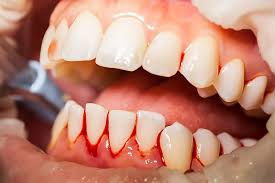
Vitamin C is an essential nutrient for anyone looking to improve their oral health naturally because it plays a big part in maintaining the health and strength of your gums. Collagen, the protein that keeps your gum tissue strong and firm, is formed by your body with the aid of vitamin C. Your gums may become sensitive, swollen, and more prone to bleeding when brushing if you don’t consume enough vitamin C in your diet. Additionally, vitamin C fortifies your gums’ blood vessels, promoting rapid healing and bacterial resistance. Regularly including foods high in vitamin C in your diet helps to maintain the strength of your gums, reduce inflammation, and improve the environment in your mouth.
A simple and great way to support healthy gums is to add vitamin C-rich foods to your diet. Foods high in vitamin C include fresh fruits like oranges, strawberries, kiwis, and guavas, as well as vegetables like bell peppers, broccoli, and spinach. These foods not only improve the health of your gums but also increase production of saliva, which can help wash food and reduce harmful bacteria from your mouth. Eating a variety of colorful fruits and vegetables will help provide an abundance of antioxidants to defend against damage to your gum tissues. Including vitamin C in your diet every day can help to keep your mouth feeling cleaner, fresher, and better protected, while destroying bacteria and aiding in healing from gum infections.
Avoid Sugary Snacks
One of the best things you can do to ensure your gums are as strong and healthy as they can be is to stay away from sugary treats. Sweets invite the growth of harmful oral organisms that produce acids that damage the tissues of your gums and teeth. Over time, this can lead to inflammation, plaque buildup, gum infections, and more. Choosing more nutritious alternatives will help mitigate the chances for gum bleeding or irritation but also help break that cycle. Instead of sweets, try some fresh fruit, nuts, and whole food options to keep your mouth cleaner and limit the growth of bacteria. Also, after eating anything sugary, consider rinsing your mouth with water to help lessen the damage. Simple, mindful choices such as these can greatly improve the health of your gums.
Massage with Clove Oil
Clove oil is an impressive natural remedy that has calming and healing properties that make it perfect for gum massage. Eugenol, a powerful component of clove oil, will numb pain, decrease inflammation, and help fight the bacteria that cause gum infection. Clove oil gently massaged into the gums can even provide more blood circulation, allowing for faster healing, and gradually strengthen the gum tissues. Be advised that using clove oil directly can cause skin irritation—so it is best to mix a few drops of clove oil with a carrier oil, such as coconut or olive oil, prior to use. For one or two minutes, use your fingertip or cotton swab to gently massage the oil onto your gums. To achieve optimal improvements in comfort, freshness, and health of the gums, use this technique often.
Maintain Oral Hygiene
Good oral hygiene is one of the best ways to promote and sustain strong, healthy gums. By brushing your teeth with a soft-bristled toothbrush two times per day, you are removing plaque that weakens and causes irritation of the gum tissue. Additionally, flossing daily gets to areas that your brush cannot and prevents the collection of food particles and bacteria between your teeth.
It is also important to consider cleaning your tongue, as bacteria can accumulate there and negatively impact your gum health. Using a mild, alcohol-free mouthwash can further minimize plaque and bacteria, in addition to freshening breath. It’s important to remain consistent. Small things on a daily basis can lead to long-term health benefits. If you can establish some basic habits and routines, you are likely to reduce inflammation or infection and possible future disease with your gums.
Conclusion: Strong gums mean strong teeth.
Healthy gums are the foundation of a healthy smile, and taking care of them naturally can significantly improve your oral health. When your gums are firm, well-nourished, and not inflamed, they are strong anchors for your teeth, decreasing the odds of looseness, sensitivity, and future issues. Some things that can reinforce your gums are oil pulling, salt water rinses, consuming vitamin C-rich foods, avoiding sugary snacks, and massaging a small amount of clove oil into them.
These simple and natural practices, accompanied by regular oral practices, can create a long-lasting defense for your gums. Healthy gums not only work toward a healthier smile but can also generate more confidence and general well-being in the long run. Strong gums mean strong teeth, and this is an investment you should consider for your future.